What is the Reverse Trendelenburg Position? How is It Used in Patient Care?
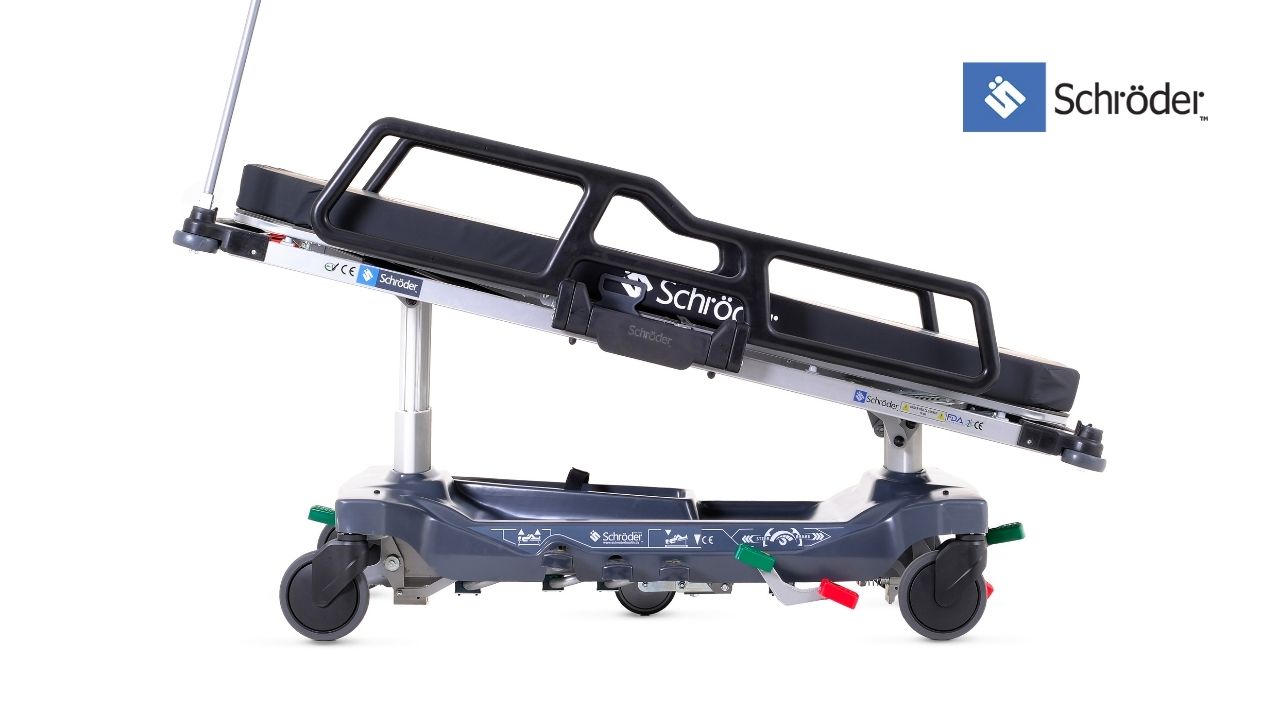
Reverse trendelenburg position is a patient positioning technique where the body is laid flat on the back (supine) but with the head elevated higher than the feet. This angled position, typically between 17° and 30°, helps improve respiratory function, enhance surgical visibility, and prevent aspiration in certain medical procedures. It is considered the opposite of the Trendelenburg position, where the head is lower than the feet. Widely used in operating rooms, intensive care units, and pediatric departments, the reverse trendelenburg position ensures patient safety and comfort during procedures requiring elevated head alignment or reduced abdominal pressure.
What Is the Reverse Trendelenburg Position?
The reverse trendelenburg position was developed as a modification of the Trendelenburg position, originally designed for pelvic and abdominal surgeries. In this reversed posture, the patient’s entire body is tilted upward so that the head is positioned higher than the lower limbs. This tilt assists in reducing pressure on the diaphragm, improving lung expansion, and facilitating unobstructed breathing during anesthesia or recovery.
Compared to the trendelenburg position, where blood flow is directed toward the head, the reverse angle helps reduce intracranial pressure and prevents reflux of gastric contents—making it ideal for surgeries involving the head, neck, and upper abdomen. Medical professionals also refer to it as the anti trendelenburg position or occasionally spell it as reverse trendelenberg or reverse trandelemburg, though the purpose remains the same: to optimize patient physiology during treatment.
Head and Neck Positioning
In the reverse trendelenburg’s position, head and neck alignment is crucial. The patient’s head is carefully supported to maintain a neutral airway while preventing hyperextension or rotation that could obstruct breathing. For procedures involving the cranium or cervical area, proper head and neck positioning also enhances surgical precision and reduces the risk of nerve injury.
The elevated head helps venous blood flow away from the brain, decreasing intracranial pressure. This is particularly beneficial in neurosurgical or ophthalmic operations. By maintaining this alignment, clinicians can minimize swelling, optimize ventilation, and ensure the patient’s comfort throughout the procedure.
Arms and Upper Body Positioning
Proper arms and upper body positioning during the reverse trendelburg setup ensures balanced support and circulation. Arms are typically placed at the sides or extended outward on padded armboards, avoiding excessive stretching that could cause nerve compression. The upper body is kept straight and supported to maintain spinal alignment while allowing unobstructed access to the surgical field.
This careful arrangement not only supports venous return from the arms but also reduces strain on the shoulders and neck. When used in long operations, such precision prevents musculoskeletal discomfort and maintains stable hemodynamics for the patient.
Legs and Lower Body Positioning
For the legs and lower body, the reverse trendelenburg positioning technique requires secure placement with knee straps or padded supports to prevent the patient from sliding downward. The legs remain slightly flexed at the knees to maintain circulation and prevent lower limb pooling.
This orientation reduces pressure on the abdomen, making it particularly useful during bariatric or abdominal surgeries. Additionally, elevating the head relative to the feet improves comfort for patients with acid reflux or respiratory distress, ensuring both safety and efficiency in patient management.
Why the Reverse Trendelenburg Position Matters in Healthcare?
The reverse trendelenburg position holds great importance across many medical fields due to its physiological advantages. It helps maintain cardiovascular stability, enhances visibility for surgeons, and improves respiratory mechanics. Key benefits include:
-
Improved pulmonary function: Elevation of the head facilitates lung expansion and oxygen exchange.
-
Reduced intracranial and intraocular pressure: Especially vital during neurosurgery or eye procedures.
-
Better surgical access: The angle allows surgeons clearer visualization of upper abdominal and thoracic regions.
-
Decreased risk of aspiration: Keeps gastric contents from entering the lungs.
-
Enhanced patient comfort: Reduces strain and pressure points during extended surgeries.
Healthcare providers adopt this position not only for surgeries but also in ICUs and recovery units, where optimal body alignment can make a critical difference in outcomes.
Reverse Trendelenburg Position in Pediatric Care
In pediatric settings, the reverse trendelenburg position plays a vital role in supporting children with respiratory or gastrointestinal challenges. Because infants and young children have smaller airways and higher abdominal pressure, elevating the head helps improve oxygenation and decreases reflux risk.
This posture is often used in pediatric ICUs to ease breathing during respiratory distress or after abdominal surgery. For young patients, comfort and stability are essential, and specialized pediatric beds are designed to safely accommodate the angle needed for the trendelenburg position vs reverse adjustments. By carefully maintaining head elevation, clinicians can optimize recovery and minimize complications during prolonged care.
When Is the Reverse Trendelenburg Position Used?
The reverse trendelenburg position used for a variety of medical and surgical applications highlights its adaptability in modern healthcare. It is commonly applied in:
-
Abdominal and laparoscopic surgeries to improve visibility and reduce pressure on the diaphragm.
-
Neurosurgical and ophthalmic operations where lowering venous pressure in the head is essential.
-
Postoperative care and ICU management to enhance oxygenation and prevent aspiration.
-
Gastroesophageal reflux management, providing comfort to patients with digestive issues.
This posture also supports safe recovery and better circulation for patients confined to hospital beds for extended periods. Whether in adult or pediatric care, the reverse trendelenburg position continues to serve as a vital component of modern medical practice, balancing physiological benefits with patient safety and comfort.