
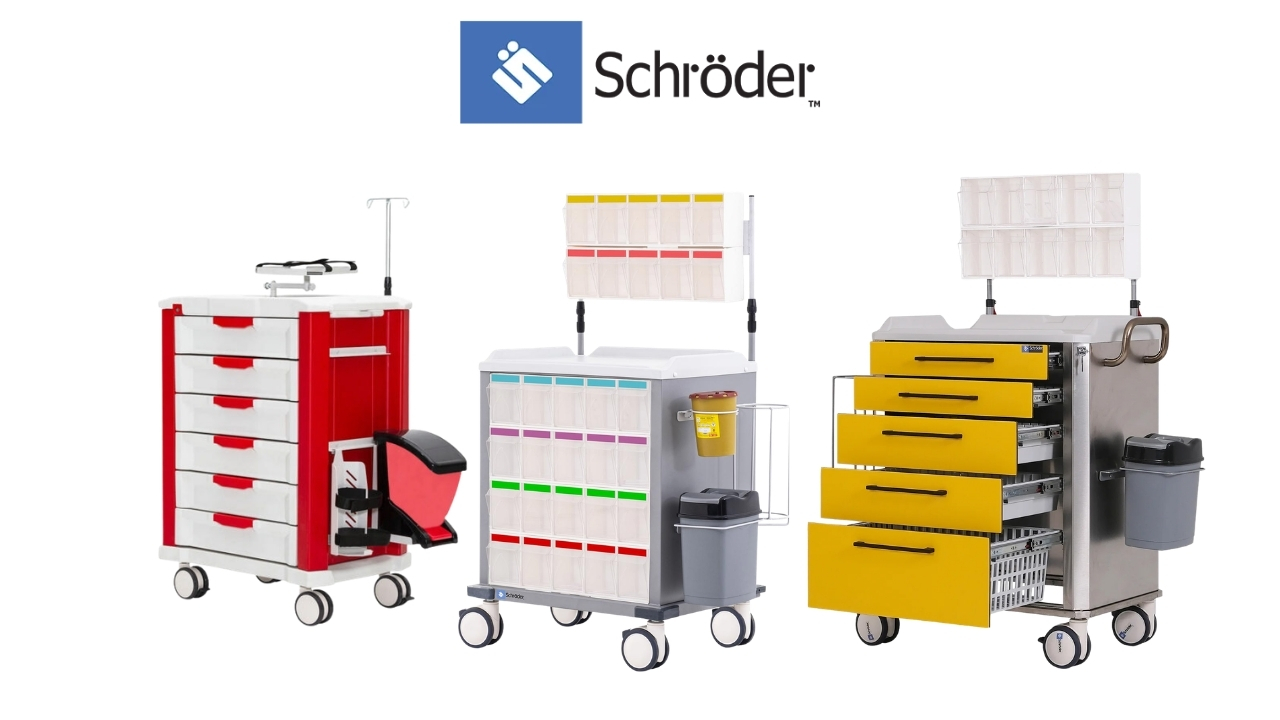
Crash cart vs anesthesia cart vs procedure cart comparisons are essential for healthcare facilities aiming to optimize efficiency, safety, and workflow. Each cart serves a distinct clinical purpose, yet choosing the wrong one can lead to delays in critical moments or inefficient procedures. Hospitals, clinics, and surgical centers must understand how these carts differ in terms of features, contents, and use cases to ensure that every department is properly equipped.
Selecting the right cart is not just about storage—it directly impacts patient outcomes, staff performance, and compliance with healthcare standards. In this guide, we break down each cart type in detail, helping you determine which one best suits your department’s needs.
What Is a Crash Cart and Where Is It Used?
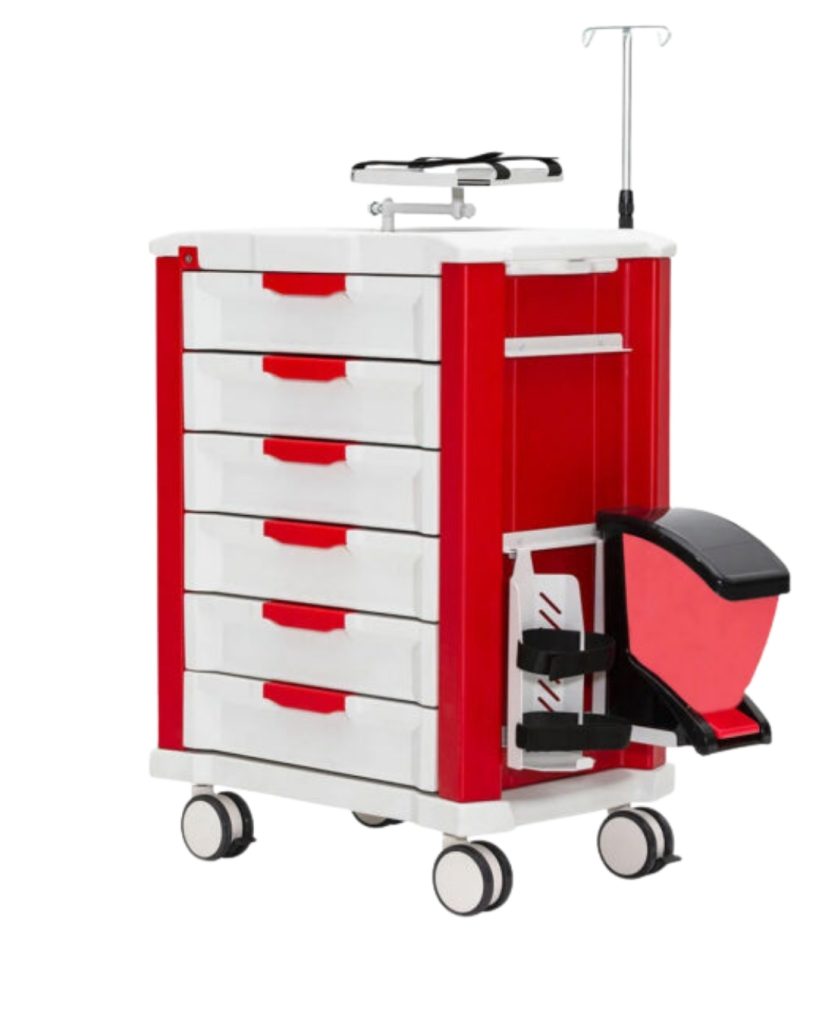
A crash cart is a mobile unit designed to provide immediate access to life-saving equipment and medications during medical emergencies such as cardiac arrest. These carts are strategically placed in high-risk areas where rapid response is critical. Their primary purpose is to ensure that healthcare professionals can act without delay in time-sensitive situations.
Crash carts are most commonly found in emergency departments, intensive care units, and hospital wards. Their standardized layout allows staff to quickly locate essential tools, minimizing confusion during high-pressure scenarios. Because emergencies require precision and speed, every component inside a crash cart is organized for immediate accessibility and efficiency.
Key Features of a Crash Cart
Crash carts are engineered with functionality and urgency in mind. They typically include multiple drawers, each designated for specific categories such as medications, airway management tools, and intravenous supplies. A defibrillator is often mounted on top, along with a cardiac monitor, enabling instant intervention during cardiac emergencies.
Another important feature is the locking mechanism, often secured with breakaway seals to ensure tamper evidence. This guarantees that the cart is always fully stocked and ready for use. Additionally, crash carts are built with durable materials and smooth-rolling casters, allowing them to be transported quickly across departments without obstruction.
Which Departments Require a Crash Cart?
Crash carts are essential in any department where medical emergencies are likely to occur. Emergency departments (EDs) rely heavily on them due to the unpredictable nature of incoming cases. Intensive care units (ICUs) and coronary care units (CCUs) also require immediate access to resuscitation equipment at all times.
Beyond these, crash carts are commonly placed in operating theatres, recovery rooms, and even outpatient facilities where sedation or high-risk procedures are performed. The goal is to ensure that no matter where a patient experiences a critical event, life-saving equipment is within immediate reach.
What Should Be Stocked Inside a Crash Cart?
A well-stocked crash cart includes essential emergency medications such as epinephrine, atropine, and amiodarone. Airway management tools like endotracheal tubes, laryngoscopes, and bag-valve masks are also critical components. Intravenous supplies, syringes, and saline solutions are included to support rapid drug administration.
In addition to these, personal protective equipment (PPE), suction devices, and diagnostic tools like stethoscopes are often stored within the cart. Regular checks and standardized stocking protocols are crucial to ensure readiness at all times, as missing items can compromise patient outcomes during emergencies.
What Is an Anesthesia Cart and How Does It Differ from Other Medical Carts?
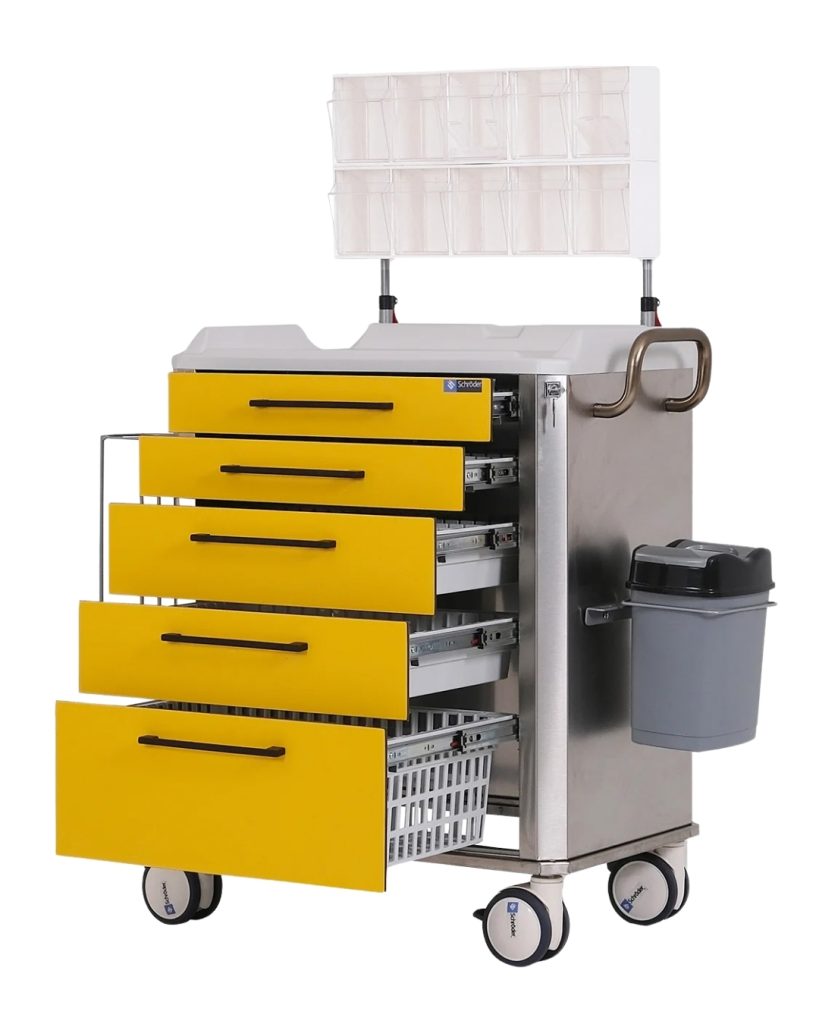
An anesthesia cart is specifically designed to support anesthesiologists and surgical teams by organizing medications and tools required for administering anesthesia. Unlike crash carts, which focus on emergency response, anesthesia carts are tailored for planned procedures where precision and preparation are key.
These carts typically feature secure compartments for controlled substances, ensuring compliance with strict regulatory requirements. They also include specialized drawers for syringes, airway devices, and monitoring accessories. The layout is optimized for workflow efficiency in operating rooms, allowing anesthesiologists to access everything they need without disrupting the procedure.
The main difference between anesthesia carts and other medical carts lies in their purpose and level of security. While crash carts prioritize speed and accessibility, anesthesia carts emphasize organization, controlled access, and procedural efficiency. This distinction makes them indispensable in surgical environments but less suitable for emergency scenarios.
What Is a Procedure Cart and When Should You Choose It?
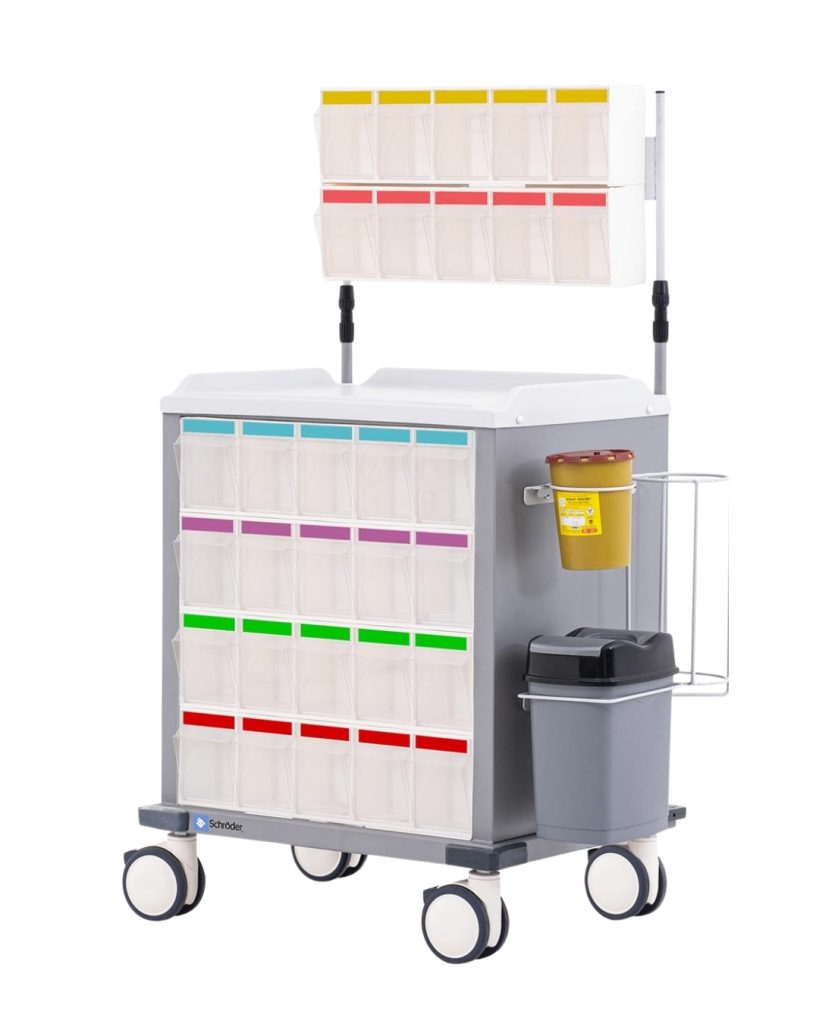
A procedure cart is a versatile storage solution used for a wide range of medical procedures that do not require full surgical setups or emergency interventions. These carts are commonly used in outpatient settings, treatment rooms, and specialty clinics where efficiency and organization are essential.
Procedure carts are designed to store instruments, dressings, and supplies needed for routine medical tasks. They offer flexibility, allowing healthcare providers to customize the configuration based on specific procedures. This adaptability makes them a practical choice for facilities that perform diverse treatments throughout the day.
Standard Configuration of a Procedure Cart
Procedure carts typically include multiple drawers of varying sizes to accommodate different types of supplies. The top surface often serves as a workspace for preparing instruments or organizing materials during procedures. Some models also feature accessory mounts for waste bins, sharps containers, and glove holders.
Unlike crash carts, procedure carts do not usually include emergency equipment. Instead, they focus on accessibility and organization, ensuring that all necessary tools are within reach during routine procedures. Their lightweight design and mobility make them easy to move between rooms as needed.
Best Use Cases: Outpatient, Wound Care, and Minor Surgery
Procedure carts are ideal for outpatient clinics where minor procedures such as injections, biopsies, and wound care are performed. They are also widely used in dermatology, dental practices, and general practitioner offices where efficiency is a priority.
In wound care settings, these carts help organize dressings, antiseptics, and instruments, streamlining the treatment process. For minor surgical procedures, they provide a convenient way to keep essential tools readily available without the complexity of a full surgical cart setup.
What Are the Key Differences Between Crash Cart, Anesthesia Cart, and Procedure Cart?
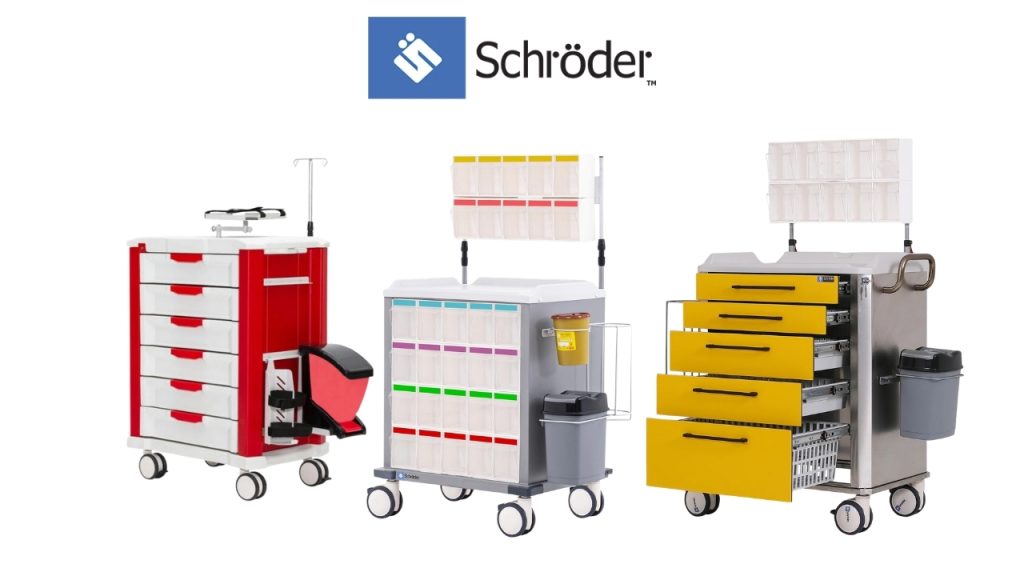
The primary differences between these carts lie in their purpose, contents, and design. Crash carts are built for emergency response, equipped with life-saving tools and medications. Anesthesia carts, on the other hand, are designed for controlled environments, focusing on the organization and security of anesthesia-related supplies.
Procedure carts offer the most flexibility, serving a broad range of routine medical tasks. They are less specialized but highly adaptable, making them suitable for outpatient and treatment settings. While crash carts prioritize speed, anesthesia carts emphasize precision, and procedure carts focus on versatility.
Understanding these differences is crucial for healthcare facilities aiming to optimize their operations. Choosing the right cart ensures that staff can perform their duties efficiently while maintaining the highest standards of patient care.
Which Medical Cart Does Each Department Need?
Selecting the appropriate medical cart depends on the specific needs and risks associated with each department. Different clinical environments require different levels of preparedness, organization, and specialization.
Emergency Department (ED)
Emergency departments require crash carts due to the high likelihood of critical cases. Immediate access to resuscitation equipment is essential for saving lives in urgent situations.
Intensive Care Unit (ICU / CCU)
ICUs and CCUs also rely heavily on crash carts, as patients in these units are often in critical condition. Continuous monitoring and rapid intervention capabilities are necessary.
Operating Theatre
Operating theatres primarily use anesthesia carts, as they support surgical procedures by organizing essential tools and medications. Crash carts may also be present as a backup for emergencies.
Outpatient Clinics and Treatment Rooms
Procedure carts are the best choice for outpatient settings, where routine treatments and minor procedures are performed. They provide flexibility and efficiency without unnecessary complexity.
Pediatric and Neonatal Units
These units often require specialized crash carts designed for pediatric use, ensuring that equipment and medications are appropriate for younger patients.
What Factors Should You Consider Before Purchasing a Medical Cart?
Choosing the right medical cart involves evaluating several key factors to ensure it meets your facility’s needs. From design to compliance, every detail plays a role in functionality and safety.
Drawer Configuration and Capacity
The number and size of drawers determine how well supplies can be organized. Facilities should choose configurations that align with their workflow and storage requirements.
Mobility and Locking Mechanisms
Smooth mobility is essential for quick response and efficiency. Locking systems, including central locks and breakaway seals, enhance security and ensure readiness.
Material: Steel vs Aluminum vs Polymer
Material choice affects durability, weight, and maintenance. Steel offers strength, aluminum provides lightweight mobility, and polymer options are resistant to corrosion and easy to clean.
Compliance and Safety Standards
Medical carts must comply with healthcare regulations and safety standards. This includes proper labeling, secure storage for medications, and adherence to infection control protocols.
How Do Schröder Health’s Cart Solutions Meet Department-Specific Needs?
Healthcare facilities require reliable and customizable solutions to meet the diverse demands of different departments. Schröder Health offers a wide range of medical carts designed to address these needs, combining durability, functionality, and compliance with industry standards.
Their solutions are tailored to support emergency response, surgical procedures, and routine treatments, ensuring that every department operates efficiently. Whether it’s advanced locking systems, ergonomic designs, or customizable configurations, Schröder Health focuses on delivering products that enhance workflow and patient care.
For facilities looking to equip their emergency units, exploring crash carts trolleys is essential. These solutions are designed to meet the highest standards of performance and reliability, making them a valuable investment for any healthcare setting.
In conclusion, understanding the differences between crash carts, anesthesia carts, and procedure carts is key to making informed purchasing decisions. By selecting the right cart for each department, healthcare providers can improve efficiency, ensure compliance, and ultimately deliver better patient outcomes.