
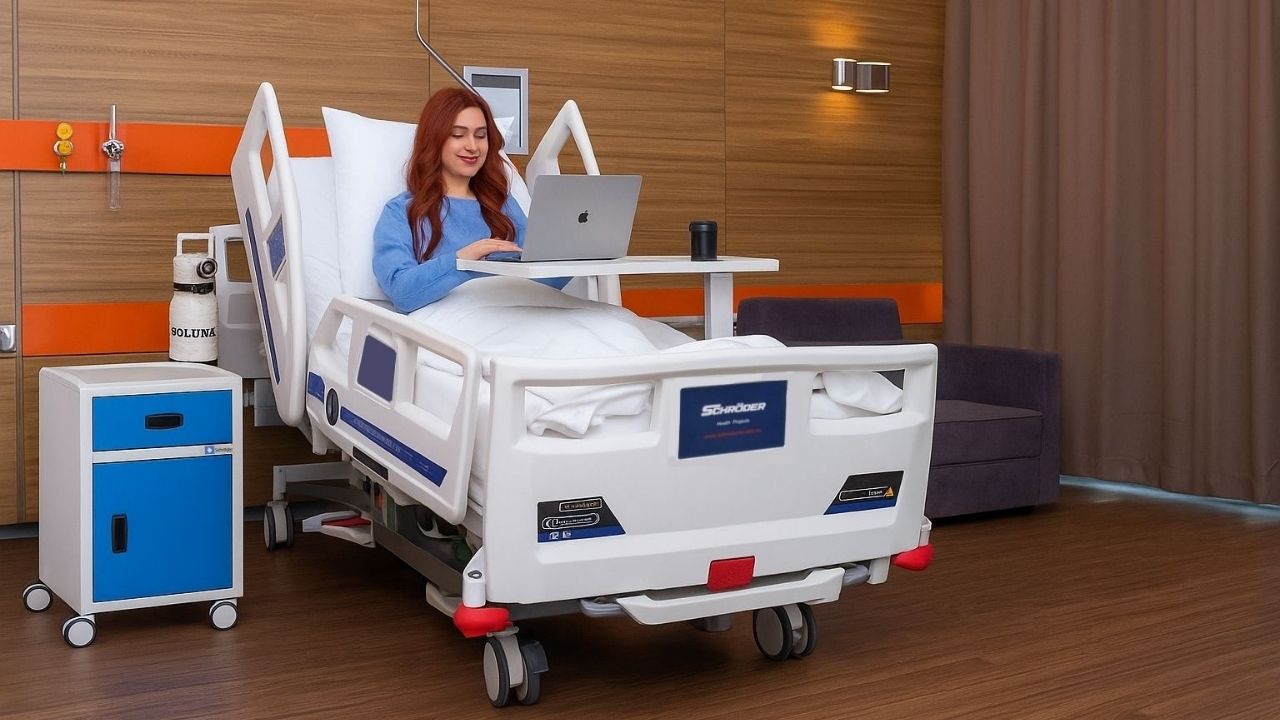
how are overbed tables used in hospitals plays a critical role in understanding how these adjustable bedside surfaces enhance patient comfort, mobility, and overall recovery. Overbed tables are designed not only to serve as supportive platforms for meals and medications but also to promote independence for individuals who are bedridden or have limited mobility. In both hospital and home settings, these tables help streamline daily care activities, support medical procedures, and ensure that essential items remain within easy reach. By improving posture, reducing unnecessary movement, and offering a stable work or eating surface, they contribute significantly to better health outcomes, making them an essential component of modern patient care. Additionally, overbed tables help reduce caregiver strain, creating a more efficient and patient-centered care environment.
What Is an Overbed Table and Why Is It Used in Healthcare?
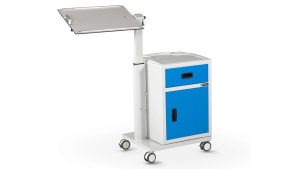 Overbed tables are height-adjustable, portable platforms designed to slide comfortably over a bed or chair, providing patients with a functional surface for various daily activities. These tables are widely used in hospitals, clinics, rehabilitation centers, and long-term care environments due to their practicality and versatility. One of the core reasons they are essential in healthcare is that they support patients who cannot easily sit at traditional tables or move independently. By offering a convenient surface at bedside height, overbed tables reduce the need for unnecessary repositioning, which can be both uncomfortable and medically risky for individuals recovering from surgery, illness, or injury. Their ergonomic design helps maintain better body alignment during eating, writing, or using electronic devices, contributing to improved physical well-being. Overbed tables also enhance hygiene by providing a clean, controlled space for meals, medications, and personal items, reducing contamination risks and supporting a safer care environment.
Another major advantage is the ability of overbed tables to adapt to different care settings. Their mobility allows them to be quickly relocated between patient rooms or used in communal healthcare spaces when needed. Many models come equipped with lockable wheels, ensuring stable placement during use while still permitting easy repositioning. In addition, the durable surfaces are designed to withstand repeated cleaning with hospital-grade disinfectants, making them suitable for high-turnover environments. Patients benefit from consistent access to a functional personal workspace, while caregivers appreciate the efficiency that overbed tables bring to everyday care routines. Whether supporting meals, facilitating therapy activities, or enabling communication through digital devices, these tables significantly improve both patient comfort and clinical workflow, demonstrating their indispensable role in modern healthcare.
How Do Overbed Tables Support Patient Independence and Comfort?
Overbed tables play a crucial role in enhancing patient autonomy by offering a stable, movable surface that adapts to their needs. For individuals experiencing mobility limitations, even minor tasks can feel challenging or exhausting. Overbed tables help address these challenges by allowing patients to perform essential daily activities with minimal assistance, restoring a sense of control and self-reliance. Whether used for dining, reading, writing, or operating a laptop, the adjustable height ensures that patients maintain a comfortable posture, reducing strain on the neck, shoulders, and lower back. This increased comfort directly supports mental well-being, as patients who feel more independent tend to report lower stress levels and a more positive outlook on their recovery process. By minimizing the need for caregivers to constantly reposition or assist with minor tasks, overbed tables help create a more empowering and dignified patient experience.
In addition to improving independence, overbed tables significantly enhance overall patient comfort by offering personalized adjustability and reliable support. Many models tilt or swivel, allowing patients to achieve the ideal surface angle for specific activities, such as reading or using a mobile device. This adaptability is especially beneficial for long-term hospital stays or rehabilitation periods, where comfort becomes essential for recovery. The smooth surface and ergonomic edges also reduce the risk of skin irritation or pressure points that could otherwise occur from makeshift bedside arrangements. Patients can comfortably transition between activities without disrupting their resting position, maintaining stability and reducing fatigue. Overbed tables also help keep essential items organized and within reach, eliminating unnecessary movements that can cause discomfort or compromise healing. Through these combined benefits, overbed tables become vital tools in maintaining comfort, safety, and emotional well-being throughout the care journey.
Eating and Drinking in Bed: Improving Nutritional Access
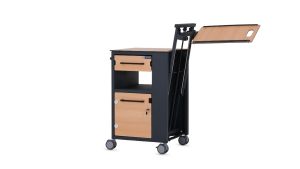 Maintaining proper nutrition is a fundamental aspect of recovery, yet patients with mobility challenges often struggle to eat and drink comfortably in bed. Overbed tables address this difficulty by providing a secure surface that brings meals closer to the patient, reducing the need to sit upright or shift positions uncomfortably. A well-positioned overbed table helps promote safer swallowing by allowing caregivers to align the patient correctly, minimizing the risk of aspiration. This stable eating environment encourages more consistent meal completion, which is particularly beneficial for individuals recovering from surgery, illness, or reduced appetite. With benefits of overbed tables for patients including improved ease of access to meals, individuals can maintain better nutritional intake, directly contributing to faster healing and enhanced strength. The table’s adjustable height also allows patients to customize their eating position, ensuring greater comfort during every meal.
Additionally, overbed tables improve hydration by making beverages readily accessible throughout the day. Many patients struggle with inadequate fluid intake due to mobility limitations or discomfort caused by reaching for distant items. By keeping drinks within easy reach, overbed tables support safer, more frequent hydration, which is essential for maintaining circulation, preventing infections, and aiding digestion. For caregivers, the table provides a clean and organized space for meal trays, reducing spills and making cleanup more efficient. The reliable surface also minimizes the risk of accidental tipping or imbalance, offering additional safety for patients with tremors or limited hand strength. Through improved access to food and beverages, overbed tables play a key role in supporting nutritional well-being and ensuring that patients receive the sustenance they need for effective recovery.
Medication and Personal Item Storage at Arm’s Reach
Convenience is essential in patient care, especially when it comes to medications and personal necessities. Overbed tables offer a practical solution by keeping essential items such as medication bottles, pill organizers, glasses, phones, and remote controls within arm’s reach. This setup helps patients maintain better adherence to medication schedules, reducing the likelihood of missed doses that could hinder recovery. The flat, stable surface ensures that medications remain clearly visible and easy to manage, particularly for patients with limited dexterity or visual impairments. Having medical items consistently accessible increases patient comfort and contributes to a greater sense of control over their treatment routine. For individuals in long-term care, this independence is especially valuable, as it reduces reliance on caregivers for simple retrieval tasks.
Overbed tables also play an important role in maintaining organization and cleanliness in the patient area. Without a proper designated surface, personal items often end up scattered on the bed or hard-to-reach side tables, increasing the risk of spills, contamination, or loss. Overbed tables help prevent these issues by providing a centralized storage area that remains stable and easy to sanitize. Caregivers can also utilize the table for quick medical checks, paperwork, or temporary equipment placement, further enhancing their practicality. With highly accessible personal storage, patients feel more secure and comfortable within their environment, making the recovery experience smoother and more manageable. This convenience aligns closely with patient-centered care practices, emphasizing empowerment and ease throughout the healing process.
Practical Uses of Overbed Tables in Hospitals and Rehab Centers
In clinical environments, overbed tables serve multiple essential purposes that directly support efficient patient care and daily treatment routines. Hospitals rely on these tables to create a flexible, patient-friendly workspace that adapts to various medical needs. Because they can be easily positioned over the bed, these tables eliminate the need for patients to move unnecessarily, protecting those recovering from surgery, fractures, or acute medical conditions. Overbed tables also help streamline caregiver workflows by providing a clean and stable surface for documentation, basic assessments, and equipment preparation. In rehabilitation centers, therapists use overbed tables during therapy sessions to support light exercises, writing tasks, or motor-skill practice, helping patients rebuild strength and coordination. As a result, the tables become integral not only for comfort but also for clinical efficiency and treatment consistency.
These tables are equally important in maintaining infection-control standards. Their smooth surfaces are designed to be disinfected repeatedly throughout the day, reducing the risk of contamination. This feature is crucial in hospitals where patient turnover is high and infection prevention protocols must be meticulously followed. Overbed tables also enable safer handling of food, medications, and personal belongings by providing a designated clean zone separate from bedding or furniture. For caregivers, this separation simplifies tasks and minimizes errors, while patients benefit from a more hygienic and organized environment. Whether used in patient rooms, rehabilitation areas, or outpatient treatment spaces, overbed tables help create a uniform, efficient, and safe care experience across all medical settings.
Facilitating Mobility-Limited Patient Care
Patients with mobility restrictions often face significant challenges when performing daily tasks, and overbed tables help bridge this gap by offering essential functional support. These tables create a stable platform for eating, writing, and personal care without requiring the patient to sit or stand. This is especially beneficial for individuals recovering from orthopedic surgeries, neurological conditions, or severe illnesses that limit movement. By minimizing the need to adjust positions frequently, overbed tables reduce discomfort, pain, and the risk of injury. They also support independence, allowing patients to engage in self-care activities even when mobility is compromised. For caregivers, the table simplifies patient interactions by creating an organized area for examinations, medical tools, or therapy materials.
Furthermore, overbed tables contribute to safer mobility for patients who are beginning to regain movement. They provide a reachable support surface for transitional activities, such as shifting from reclined to upright positions or organizing personal items needed before standing. In rehabilitation settings, therapists may use overbed tables during light stability exercises or coordination training, gradually helping patients rebuild functional skills. Because overbed tables are height-adjustable, they can be modified to match the patient’s progress, ensuring ongoing comfort and accessibility. Through these features, overbed tables become fundamental assets in mobility-restricted patient care, promoting safety, autonomy, and steady improvement throughout the recovery journey.
Supporting Medical Equipment and Daily Procedures
Overbed tables are widely used in hospitals to support a variety of medical devices and day-to-day procedures. Their stable, spacious surface provides an ideal location for placing portable monitors, wound care supplies, blood pressure cuffs, gloves, charts, and digital tablets used for electronic health records. This allows caregivers to perform essential procedures efficiently without needing an additional workstation. The table also provides a practical area for organizing materials during IV setup, dressing changes, or minor assessments, helping ensure that supplies remain clean, accessible, and well-structured. Because the table can be moved effortlessly, nurses and therapists can adjust its position to match the procedural needs of each patient, reducing interruptions and improving workflow.
For patients, overbed tables offer comfort and reassurance during treatments. Having medical supplies organized and within sight can help reduce anxiety by creating a sense of predictability and transparency in care. The tables also prevent the mixing of medical tools with personal belongings, maintaining better hygiene and reducing clutter. In rehabilitation settings, overbed tables are often used during therapy exercises involving fine motor skills, cognitive tasks, or assistive devices. This versatility makes them essential components of patient-centered care environments. To support these applications, many facilities choose high-quality designs such as hospital overbed tables. Their durable construction and ergonomic features make them reliable for frequent clinical use.
What Features Should You Look for in a Quality Overbed Table?
A high-quality overbed table should combine durability, functionality, and ease of use to meet the demands of both patients and caregivers. One of the most important features is height adjustability, which allows the table to be positioned comfortably for individuals of different sizes and mobility levels. Smooth adjustment mechanisms—such as gas-spring or pneumatic lift systems—make it easier for patients to modify the height independently. Another key feature is a sturdy, easy-to-clean tabletop made from materials that can withstand regular disinfecting without warping or staining. This ensures the table remains hygienic and safe for use in both medical and home environments. Lockable wheels are also essential, as they prevent unwanted movement during meals, writing tasks, or medical procedures. These wheels allow the table to be moved freely but secured firmly when needed, enhancing safety and stability.
In addition to these core elements, consider optional features that make the table more versatile and comfortable for everyday use. Tilt-top surfaces allow patients to adjust the angle for reading or device use, while raised edges help prevent items from sliding off during repositioning. Storage compartments or side trays provide added convenience by keeping personal items organized and within reach. For home environments, lightweight construction and high maneuverability are valuable advantages, especially for caregivers who need to reposition the table frequently. Patients receiving home-based care will also benefit from tables designed for long-term use, such as models made specifically for overbed table uses in home care. Ultimately, choosing the right overbed table means prioritizing comfort, safety, and adaptability to ensure the best possible support for recovery and daily living.