
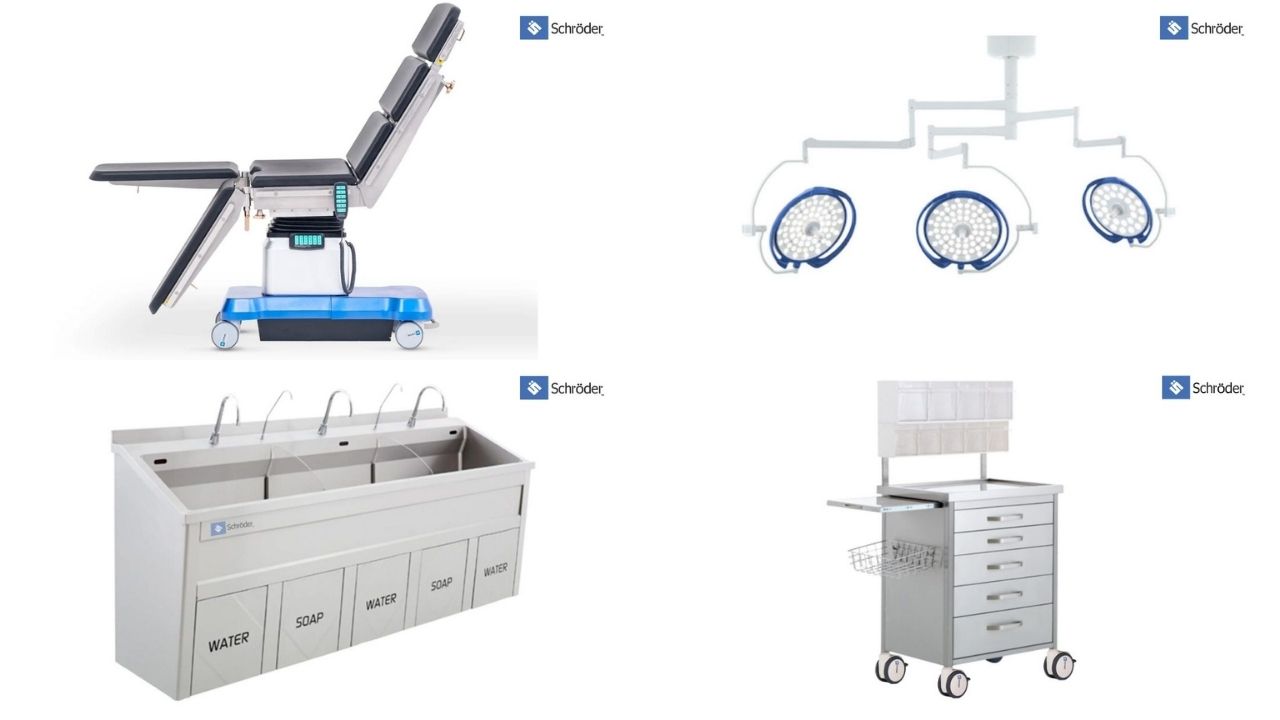
Or room refers to a specialized, sterile environment within a hospital designed specifically for surgical procedures. The abbreviation “OR” stands for Operating Room, and in different parts of the world, it may be referred to as an operation room, surgery room, operation theatre, or surgery theater. A modern hospital operating room is a highly controlled environment equipped with advanced technology and skilled medical teams to ensure patient safety. Some institutions may also use terms like patient operating room or surgery observation room, reflecting slight variations in usage but pointing to the same essential function. Regardless of the terminology, the purpose remains the same: to provide a safe, sterile, and efficient setting for surgical interventions.
What Does OR Mean in a Hospital Setting?
what is or in hospital is a common question for patients and families unfamiliar with medical terminology. In a hospital context, “OR” stands for Operating Room, which is the critical space where surgical procedures are performed. This space is not just a simple surgery room; it is an environment carefully designed to meet strict safety and cleanliness standards. Hospitals worldwide rely on ORs to conduct surgeries ranging from routine procedures to highly complex operations. These rooms are equipped with specialized lighting, sterile instruments, anesthesia equipment, and monitoring devices, all arranged to support surgeons and medical staff in their tasks. Without the operation room, modern medicine would not be able to provide the life-saving interventions that millions of patients depend on every year.
The importance of the or room in hospital settings goes beyond just having a physical space. It represents the combination of medical expertise, advanced equipment, and strict protocols that together ensure surgical success. By maintaining sterile conditions and reducing infection risks, hospitals create an environment where patients receive the highest standard of care. The OR also serves as the center of collaboration between surgeons, anesthesiologists, nurses, and technicians, all of whom play a vital role in achieving positive outcomes. Simply put, the operating room hospital setup is at the heart of surgical medicine, making it indispensable to modern healthcare.

Common Names Used for Operating Rooms Worldwide
surgery room name varies depending on cultural and regional differences, yet the concept remains universally understood. In the United States, the term Operating Room (OR) is standard. In the United Kingdom, the same space is more commonly known as an operation theatre or operating theatre. Other countries may prefer the term surgery theater or operation room, while some hospitals refer to it as the patient operating room to emphasize its role in direct patient care. This variety of names reflects the global nature of healthcare but also highlights the shared function of these rooms across borders.
Despite the different terminology, the purpose remains consistent: a sterile, specialized space for surgical intervention. Patients searching for terms like what is the or in a hospital or what is operating room will find that these names all describe the same crucial environment. Whether labeled an or operating room in the United States, an operation theatre in India, or a surgery theater in Europe, these spaces are essential in ensuring safe, efficient, and effective surgery. Recognizing the different names can help patients feel more comfortable and informed, especially when accessing care in international or multicultural hospital settings.
What Does an Operating Room Look Like?
what does an operating room look like is a question often asked by patients who are preparing for surgery. A modern hospital surgery room is a sterile, brightly lit space equipped with advanced medical devices and carefully arranged to maximize efficiency and safety. The walls are usually painted in calming colors, and the environment is designed to reduce stress for both patients and staff. At the center, there is always an operating table surrounded by surgical lights that provide optimal visibility for the medical team. Monitors, anesthesia machines, and surgical instruments are strategically placed for quick access. The goal of the operating room surgery setup is to ensure that surgeons and staff can focus entirely on the patient without unnecessary distractions or risks.
Beyond its appearance, the layout of a surgery room is deliberately structured to maintain sterile zones and allow for smooth communication between team members. Every item in the room has a designated place, from the sterile instrument trays to the monitoring equipment. The air filtration system ensures clean airflow to reduce infection risks. For patients, the operation room may feel intimidating, but for medical professionals, it is a meticulously organized environment that supports critical, often life-saving, procedures.
Key Features of a Standard Hospital Operating Room
- Surgical Table: Adjustable and centrally located to provide surgeons full access.
- Surgical Lighting: Overhead lamps designed to minimize shadows and maximize clarity.
- Anesthesia Equipment: Machines that deliver and monitor anesthesia throughout surgery.
- Sterile Instruments: Stored in trays or cabinets, used for precise surgical tasks.
- Monitoring Devices: Equipment that tracks vital signs like heart rate and oxygen levels.
- Storage Units: Cabinets for medications, bandages, and additional sterile tools.
- Ventilation System: Specialized air control to maintain sterility and reduce infection risk.
- Communication Systems: Intercoms and alarms that connect the OR team with other hospital units.
These features are universal across most operating rooms, ensuring that no matter where a patient receives care, the essentials are always present.

How Operating Room Layout Impacts Surgery Efficiency
operating room layout plays a crucial role in determining the efficiency of surgical procedures. The design directly affects how quickly and safely the medical team can perform operations. A poorly designed surgery observation room or OR can lead to wasted time, increased risk of contamination, and even errors during critical moments. Conversely, a well-thought-out operating room setup allows for seamless collaboration among surgeons, anesthesiologists, and nurses. For example, keeping the anesthesia station near the patient’s head allows anesthesiologists to respond quickly, while positioning sterile instruments close to the surgical field ensures surgeons can operate without delay.
Efficiency in operating rooms also means better patient outcomes. When equipment, staff, and supplies are positioned logically, surgeries can be completed faster, reducing the time a patient spends under anesthesia. This not only improves recovery but also minimizes complications. Modern hospitals invest heavily in designing hospital operating rooms with layouts optimized for both safety and productivity. Innovations in technology and architectural design continue to improve how these spaces function, ensuring that each operation theater supports surgeons in delivering the highest quality care possible.
Types of Operating Rooms in Hospitals
types of operating rooms vary depending on the nature of the procedures performed. A general operation theatre is designed to handle routine surgeries such as appendectomies or hernia repairs. Specialized ORs, however, are created for specific medical fields. For instance, a cardiac surgery room includes advanced monitoring systems and heart-lung machines, while a neurosurgical OR is equipped with microscopes and neuronavigation systems. There are also orthopedic ORs that feature traction equipment and imaging systems, as well as pediatric surgery rooms tailored to the unique needs of children.
Each surgery theater is designed with a particular patient group or medical specialty in mind. By tailoring the environment to the procedure, hospitals can improve surgical success rates and reduce risks. For example, a trauma OR in an emergency setting prioritizes speed and accessibility, while a minimally invasive surgery OR may be equipped with advanced laparoscopic tools. The variation in hospital surgery room designs reflects the complexity of modern medicine and the need for precision across different types of care.
In recent years, hybrid operating rooms have become increasingly popular. These combine traditional surgical setups with advanced imaging technologies, allowing surgeons to perform both diagnostic and therapeutic procedures in the same room. Hybrid ORs are particularly valuable in cardiovascular and neurological surgeries, where real-time imaging is critical. As medical technology continues to advance, the range of operation rooms available in hospitals is expected to grow, offering even more specialized care for patients worldwide.

Essential Equipment Found in a Surgery Theater
surgery theater equipment is one of the most critical aspects of hospital infrastructure. A well-equipped OR ensures that surgeons have every tool necessary to perform complex procedures safely. Essential items include surgical tables, anesthesia machines, electrosurgical units, suction devices, sterilization equipment, and patient monitoring systems. Each of these plays a role in maintaining the safety and effectiveness of the surgery. Without proper equipment, even the most skilled surgeons would be limited in what they could accomplish.
The presence of specialized tools also differentiates general operation rooms from advanced specialty ORs. For example, orthopedic surgery rooms may include C-arm imaging devices, while cardiovascular ORs may have heart-lung bypass machines. In addition, modern or operating room setups often include robotic surgical systems, which provide enhanced precision and allow for minimally invasive procedures. The continuous evolution of medical equipment ensures that hospitals can deliver the best possible care to patients, regardless of the complexity of their needs.
Furthermore, proper organization and maintenance of these devices are just as important as their presence. Hospitals invest in training staff to handle advanced machines, ensuring smooth operation during surgery. Regular sterilization and testing guarantee that equipment remains reliable and safe. As technology continues to improve, the equipment found in operating rooms will only become more advanced, further increasing the efficiency and success of modern surgeries.
Why the OR is Vital for Hospital Surgery Success
operating room hospital facilities are at the core of modern healthcare. Without them, surgical interventions that save lives and improve quality of life would not be possible. From emergency trauma care to planned procedures, the OR ensures that patients receive the highest level of precision and safety during treatment. Beyond the physical space, the operation theater embodies teamwork, technology, and trust—three pillars that define surgical success in hospitals worldwide.
The role of the OR also extends to innovation. As new surgical methods develop, such as robotic-assisted procedures and minimally invasive surgeries, the surgery room evolves to accommodate advanced technology. This adaptability ensures that hospitals remain prepared for the challenges of modern medicine. For patients, the patient operating room represents a place where their lives can change dramatically, often for the better. Its significance cannot be overstated in shaping positive healthcare outcomes.
At Schröder, we recognize the vital importance of the OR in hospital success and are committed to supporting medical teams with world-class equipment. Our specialized Stainless Steel Equipment ensures durability and easy sterilization, meeting the highest international standards. With decades of expertise in hospital bed manufacturing, we also deliver solutions that complement operating room efficiency and patient safety. Additionally, our advanced hospital bed designs provide superior comfort and support during recovery. By combining innovation, reliability, and precision, Schröder continues to be a trusted partner for hospitals worldwide, helping them achieve success in every surgery performed.